

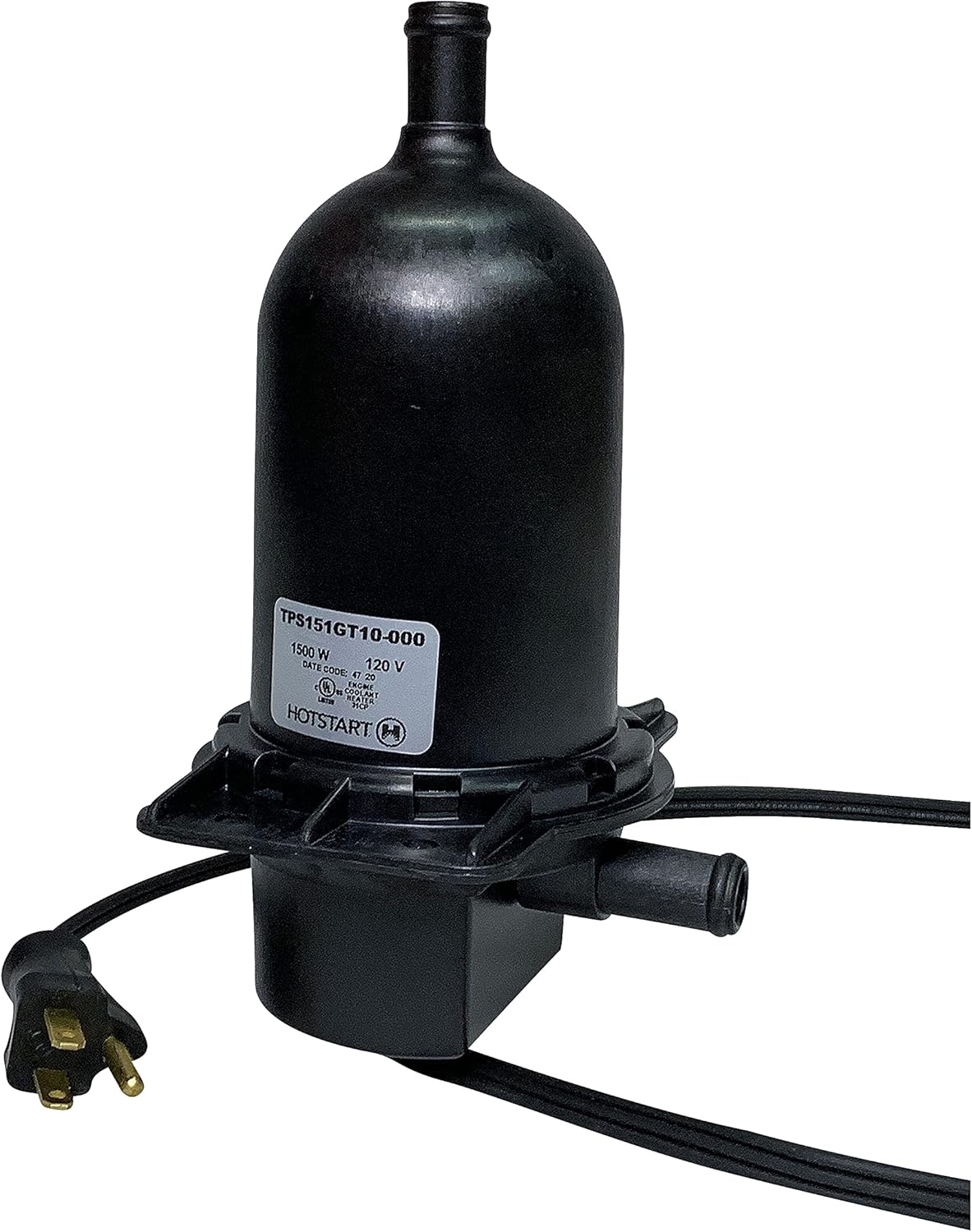
When it comes to maintaining engine reliability in harsh conditions, casual solutions simply won’t cut it for commercial operations, construction fleets, or marine applications. The HOTSTART Engine Heater TPS model represents a significant step up from consumer-grade block heaters, offering professional-level performance designed for the demanding requirements of heavy-duty diesel and gas engines. After comprehensive analysis of this industrial-strength heating system, I’m providing an in-depth review to help you determine if this premium solution matches your operational needs.
Product Overview: Engineering for Serious Applications
The HOTSTART TPS model isn’t your typical residential engine block heater. This is a coolant preheater system engineered specifically for commercial, industrial, and marine environments where engine reliability isn’t just convenient—it’s absolutely critical. Whether you’re managing a construction fleet, operating heavy equipment in remote locations, or maintaining marine vessels, this heater is designed to ensure your engines start reliably and perform optimally regardless of ambient conditions.
What sets the HOTSTART apart from standard block heaters is its sophisticated approach to engine warming. Rather than simply heating a localized area of the engine block, this system actively circulates heated coolant throughout the entire cooling system, providing comprehensive, even heat distribution that prepares the entire engine for operation.
Understanding the Thermosiphon Technology
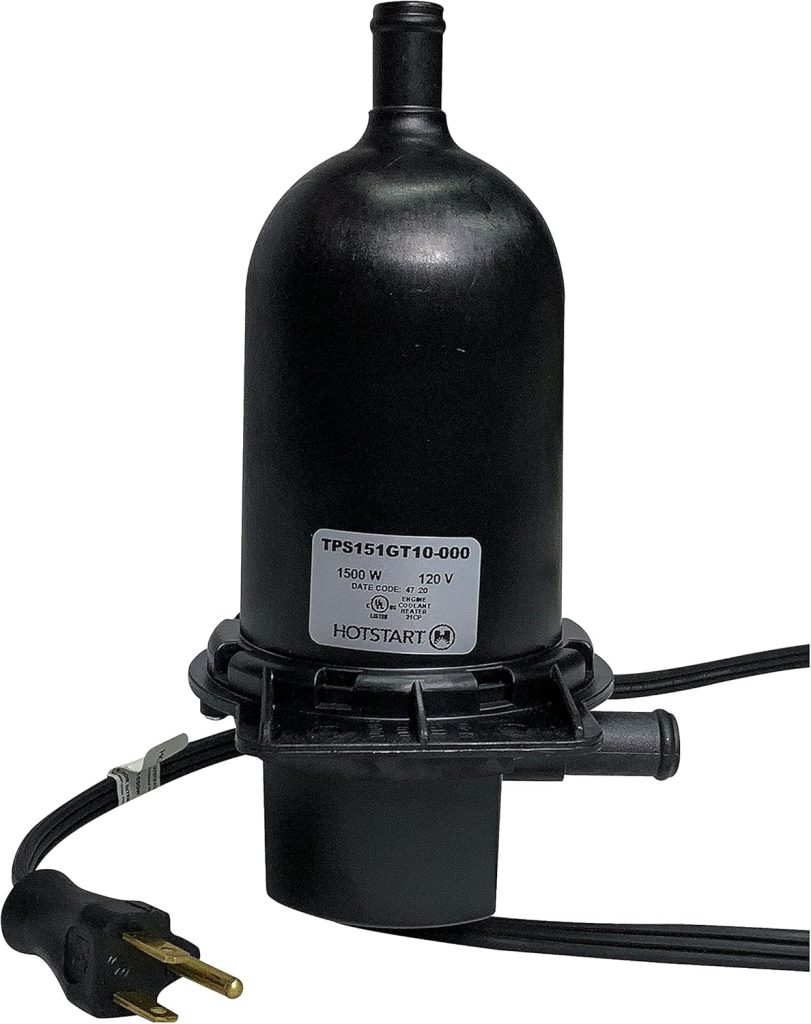
The heart of the HOTSTART system’s effectiveness lies in its thermosiphon circulation method—a brilliantly simple yet highly effective approach to coolant circulation that doesn’t require mechanical pumps or additional electrical components.
How Thermosiphon Circulation Works
The thermosiphon principle operates on basic physics: heated fluid becomes less dense and rises, while cooler fluid is denser and sinks. The HOTSTART heater warms coolant within its heating chamber, causing it to rise naturally through the outlet connection into the engine’s cooling system. As this warm coolant enters the engine, it displaces cooler coolant, which flows back into the heater’s inlet to be warmed in turn.
This continuous natural circulation creates a self-sustaining loop that gradually warms the entire cooling system without requiring pumps, motors, or moving parts. The elegance of this design is its reliability—there are no pumps to fail, no motors to wear out, and no additional components to maintain.
Advantages of Passive Heat Exchange
The thermosiphon method offers several significant advantages over powered circulation systems. First, reliability increases dramatically when you eliminate mechanical components. In harsh environments—extreme cold, dusty construction sites, corrosive marine conditions—fewer moving parts mean fewer potential failure points.
Second, the passive system operates silently and draws power only for heating, not circulation. This makes the HOTSTART more energy-efficient than systems requiring separate circulation pumps. The 1.5 kW power consumption heats coolant exclusively, with none wasted on mechanical circulation.
Third, installation and maintenance simplify considerably. Without pumps or motors, the system requires minimal servicing beyond basic inspection. There are no pump seals to leak, no impellers to corrode, and no motors to rebuild.
Power and Performance Specifications
The HOTSTART TPS model delivers substantial heating capacity designed for larger engines than typical automotive applications.
Impressive 1.5 kW Heating Power
At 1.5 kilowatts (1500 watts), this heater delivers approximately three times the power of standard residential block heaters. This substantial power output is necessary for the larger engine displacements it’s designed to serve—350 to 500 cubic inch displacement (5.7 to 8.2 liters).
To put this in perspective, this heater is appropriate for:
- Six-cylinder diesel engines in medium-duty trucks
- V8 gasoline engines in commercial vehicles
- Industrial stationary engines
- Marine diesel engines in the 5.7-8.2 liter range
- Construction equipment power plants
The 1.5 kW output means faster heating times and the ability to maintain engine temperature even in extreme cold conditions where lower-wattage heaters would struggle.
Electrical Requirements and Operating Costs
Operating at 120 volts and drawing 12.5 amps, the HOTSTART requires a standard electrical circuit but uses considerably more power than residential heaters. This higher power consumption is necessary for its larger heating capacity and target applications.
From a cost perspective, running at 1.5 kW means approximately 1.5 kilowatt-hours of electricity per hour of operation. At average commercial electricity rates of $0.12-$0.15 per kWh, operating costs run about $0.18-$0.23 per hour. For typical usage patterns with intelligent thermostat control, daily operating costs remain reasonable—typically $1.50-$3.00 depending on ambient temperature and cycling frequency.
For commercial operations, this cost is negligible compared to the value of reliable engine starts, reduced wear, and eliminated idling time. A single avoided service call or prevented cold-start damage pays for months of heater operation.
Intelligent Temperature Control System
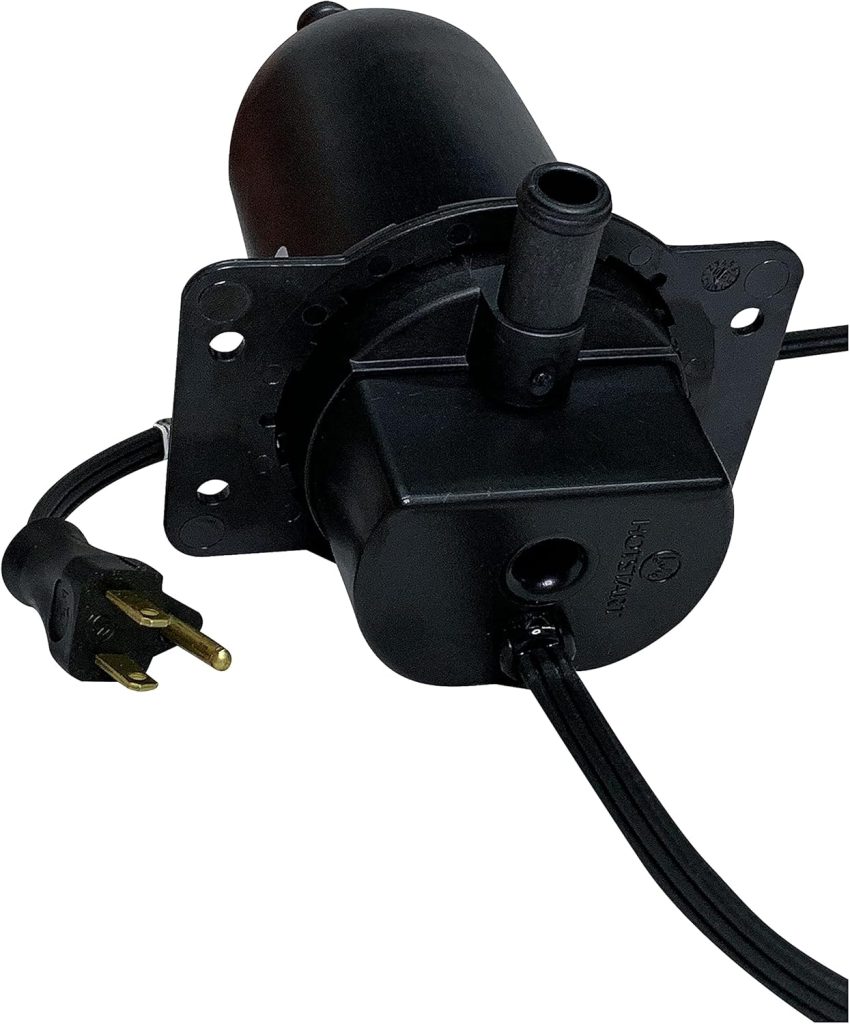
One of the HOTSTART’s most valuable features is its integrated thermostat that automatically manages operating temperature, providing optimal engine pre-heating without manual intervention or excessive energy consumption.
Precise Temperature Management
The thermostat activates the heating element at 100°F (38°C) and deactivates it at 120°F (49°C). This temperature range is carefully engineered to provide optimal engine protection and starting performance.
At 100°F, coolant remains well above freezing and significantly warmer than ambient temperature in cold conditions, ensuring the engine is always prepared for starting. The 120°F upper limit prevents overheating while maintaining the engine at a temperature that keeps oil fluid, components properly expanded, and combustion chambers warm enough for efficient fuel vaporization.
This 20-degree differential (100-120°F) creates an efficient duty cycle that maintains temperature while minimizing energy consumption. Once the system reaches 120°F, it cycles off, allowing natural cooling until temperature drops to 100°F, then reactivates. In cold environments, this might mean cycling every 30-60 minutes. In moderate conditions or insulated environments, cycles might occur every few hours.
Continuous Readiness vs. Scheduled Operation
The thermostat control makes the HOTSTART ideal for applications requiring continuous readiness. Emergency equipment, standby generators, or vehicles that must be ready to operate at any moment benefit from the “always warm” approach this system enables.
However, for applications with predictable schedules, combining the HOTSTART with an external timer provides maximum efficiency. You can schedule the heater to activate several hours before planned operation, ensuring the engine is warm when needed while avoiding unnecessary operation during extended idle periods.
Superior Construction and Durability
The HOTSTART is engineered for harsh environments and extended service life, with material selections reflecting its professional-grade positioning.
Incoloy 800 Heating Element
The heating element uses Incoloy 800, a premium nickel-iron-chromium alloy specifically developed for high-temperature applications. This material choice is significant for several reasons.
Incoloy 800 offers exceptional resistance to oxidation and corrosion, even at elevated temperatures and in contact with various coolant formulations. Unlike standard steel or copper elements that may degrade over time, Incoloy maintains its integrity through years of thermal cycling and coolant exposure.
The alloy’s high-temperature stability means the heating element can safely reach operating temperature without degradation, even if temporarily run dry or exposed to localized hot spots. This durability translates to extended service life and reduced maintenance requirements.
Robust Enclosure and Corrosion Resistance
The IP41 enclosure rating indicates protection against solid objects larger than 1mm and protection against vertically dripping water. While not fully waterproof, this rating is appropriate for engine compartment installation where the heater isn’t directly exposed to weather but may encounter occasional moisture, dust, and debris.
The corrosion-resistant construction is essential for the diverse environments HOTSTART heaters serve. Marine applications expose equipment to salt spray and humidity. Construction sites present dust, mud, and vibration. The HOTSTART’s materials and construction withstand these challenges, maintaining reliable operation through extended service periods.
High-Pressure Rating and Quality Plumbing
The 90 psi (620 kPa) maximum pressure rating exceeds the requirements of most cooling systems, providing a safety margin that ensures the heater won’t become a weak point in the cooling system. Standard automotive cooling systems operate at 14-18 psi, so the HOTSTART’s 90 psi rating offers substantial overhead.
The 0.625-inch (15.9 mm) inlet and outlet connections provide adequate flow for effective thermosiphon circulation while maintaining compatibility with standard cooling system hoses and fittings. The polyphenylensulfid (PPS) tank material offers excellent chemical resistance to various coolant formulations, including ethylene glycol, propylene glycol, and water-based solutions.
Installation Considerations and Requirements
While the HOTSTART offers superior performance, proper installation is critical to achieving that performance and ensuring long-term reliability.
Professional Installation Recommended
Unlike simple freeze-plug heaters that DIY enthusiasts can install, the HOTSTART TPS model benefits significantly from professional installation. The thermosiphon circulation requires specific positioning and proper hose routing to function optimally.
The heater must be positioned lower than the engine’s cooling system to enable proper thermosiphon flow. Hot coolant must be able to rise from the heater’s outlet into the engine, and cool coolant must be able to descend from the engine into the heater’s inlet. Improper positioning can impede circulation, dramatically reducing heating efficiency.
Professional installers understand the critical importance of:
- Proper vertical positioning relative to the engine
- Correct hose routing to prevent air pockets
- Secure mounting to withstand vibration
- Appropriate electrical connections
- Proper integration with existing cooling system components
Space and Mounting Requirements
The HOTSTART’s compact design suits installations with limited space, a common challenge in equipment engine compartments. However, adequate space for hose connections and service access is essential.
The 48-inch (1219 mm) power cord provides reasonable length for most installations, though some applications may require professionally installed extensions using appropriate marine-grade or industrial wiring rather than standard household extension cords.
Compatibility Verification
Before purchasing, verify your engine’s displacement falls within the 350-500 CID (5.7-8.2 L) range. Smaller engines may experience overheating with this powerful heater, while larger engines won’t receive adequate heating. HOTSTART offers different models for various engine sizes, so selecting the correctly sized unit is crucial.
Real-World Performance and Applications
The HOTSTART TPS model excels in demanding applications where reliability is non-negotiable and operating conditions are challenging.
Construction Equipment Excellence
Construction sites, particularly in northern climates, present ideal applications for HOTSTART heaters. Equipment sitting overnight in sub-zero temperatures faces difficult cold starts that stress engines and delay morning operations. The HOTSTART maintains equipment at ready-to-start temperatures, eliminating delayed starts and reducing wear from cold operation.
For construction companies, the return on investment is clear: reduced downtime, eliminated warm-up idling (saving fuel and reducing emissions), and extended engine life through reduced cold-start wear. Equipment starts immediately and operates efficiently from the first moment, improving productivity and reducing operating costs.
Marine Application Reliability
Marine environments combine multiple challenges: extreme humidity, salt exposure, temperature variations, and the critical importance of reliable engine starting. A vessel stranded due to starting problems faces safety risks beyond simple inconvenience.
The HOTSTART’s corrosion-resistant construction and reliable performance make it ideal for marine installations. Whether on commercial fishing vessels, recreational craft, or workboats, maintaining engines at optimal temperature ensures reliable starting when needed and eliminates the moisture-related starting issues that plague cold marine engines.
Fleet and Commercial Vehicle Operations
Commercial fleets benefit enormously from HOTSTART systems. Delivery vehicles, service trucks, and commercial transporters must operate reliably on schedule regardless of weather. The HOTSTART ensures every vehicle starts immediately, every time.
Beyond reliability, fleet operators appreciate the reduced idling time. Eliminating the need for extended warm-up periods before operation saves fuel, reduces emissions, and extends engine life. For fleets with dozens or hundreds of vehicles, these savings multiply substantially.
Industrial and Standby Generator Applications
Stationary engines powering generators, pumps, or other industrial equipment benefit from HOTSTART’s continuous readiness approach. Emergency generators must start immediately when called upon—failure isn’t acceptable. Maintaining the engine at optimal temperature ensures instant starts when power fails or emergencies occur.
Comparing HOTSTART to Standard Block Heaters
Understanding how the HOTSTART compares to conventional block heaters helps clarify when the premium investment makes sense.
Power and Coverage Differences
Standard residential block heaters typically offer 400-750 watts of heating power and heat a localized area of the engine block. The HOTSTART’s 1.5 kW output and active circulation provide comprehensive engine warming, heating the entire cooling system rather than just one area.
This comprehensive approach means more even temperature distribution, faster overall engine warming, and better protection for all engine components. The investment in higher power and circulation capability pays dividends in reliability and performance.
Reliability and Service Life
Consumer-grade heaters may function adequately in residential applications with moderate use. The HOTSTART is engineered for continuous operation in harsh environments, with commercial-grade components designed for extended service life.
The difference in construction quality, materials selection, and engineering rigor justifies the HOTSTART’s higher price point for applications demanding reliability and longevity.
Price vs. Value Proposition
HOTSTART heaters typically cost $200-$400, significantly more than $30-$60 residential heaters. However, for the target applications—commercial, industrial, and marine—the higher cost represents excellent value.
The reliability, comprehensive heating, intelligent temperature control, and durable construction deliver performance that basic heaters cannot match. For commercial operations where downtime costs hundreds or thousands of dollars per hour, the HOTSTART’s premium price is a minor consideration compared to the value it delivers.
Certifications and Compliance
The HOTSTART’s UL-C/US listing and CE compliance demonstrate adherence to rigorous safety and performance standards, essential for commercial and industrial applications.
UL-C/US listing indicates the product has been evaluated against relevant safety standards for both the United States and Canada. This certification is often required for insurance purposes in commercial installations and provides assurance of safe design and construction.
CE compliance indicates conformity with European Union safety, health, and environmental protection standards, enabling use in international applications and demonstrating the product’s global applicability.
Potential Limitations and Considerations
No product is ideal for every application, and honest assessment requires acknowledging where the HOTSTART may not be the optimal choice.
Power Requirements May Exceed Residential Capabilities
The 12.5-amp draw at 120 volts requires a dedicated circuit in most installations. Residential garage circuits shared with other equipment may not reliably support this load, potentially requiring electrical upgrades.
Size Limitations
The 5.7-8.2 liter displacement range excludes both very small engines (where the heater would be overpowered) and very large engines (where heating capacity would be insufficient). Buyers must verify their engine falls within the specified range.
Professional Installation Adds Cost
While DIY installation may be possible for experienced mechanics, professional installation is recommended. This adds $150-$300 to the total investment, though proper installation is essential for optimal performance.
Not Ideal for Sporadic Use
The HOTSTART excels in continuous-operation or frequent-use scenarios. For equipment operated only occasionally, simpler and less expensive heating solutions might suffice.
Final Verdict: Professional Performance for Demanding Applications
The HOTSTART Engine Heater TPS model delivers exactly what it promises: professional-grade engine pre-heating for demanding commercial, industrial, and marine applications. The combination of powerful 1.5 kW heating, intelligent thermosiphon circulation, automatic temperature control, and robust construction creates a system that reliably maintains engines at optimal temperature in challenging environments.
Who Should Invest in HOTSTART
This heater is ideal for:
- Construction companies with equipment fleets
- Commercial vehicle operators requiring reliable starting
- Marine vessel owners needing dependable engine performance
- Industrial operations with critical standby equipment
- Any application where engine reliability is essential and downtime is costly
When to Consider Alternatives
Standard block heaters may be more appropriate for:
- Personal vehicles in residential settings
- Engines outside the 5.7-8.2 liter displacement range
- Budget-conscious buyers prioritizing low initial cost
- Applications with infrequent use or mild climate conditions
The Investment Perspective
Yes, the HOTSTART costs significantly more than basic block heaters. However, for its target applications, it’s not truly expensive—it’s appropriately priced for the engineering, materials, performance, and reliability it delivers.
Commercial operations measure value differently than residential users. Avoided downtime, reduced maintenance costs, extended engine life, and operational reliability provide returns that dwarf the initial investment. A construction company that avoids a single morning of delayed equipment starts due to cold-weather problems has recovered the heater’s cost.
The HOTSTART Engine Heater represents the professional solution for professional applications. It’s engineered properly, built durably, and performs reliably in exactly the demanding conditions where lesser heaters fail. For operations that require this level of performance, the HOTSTART isn’t just a good choice—it’s the right choice for protecting valuable engine assets and ensuring operational reliability when it matters most.