

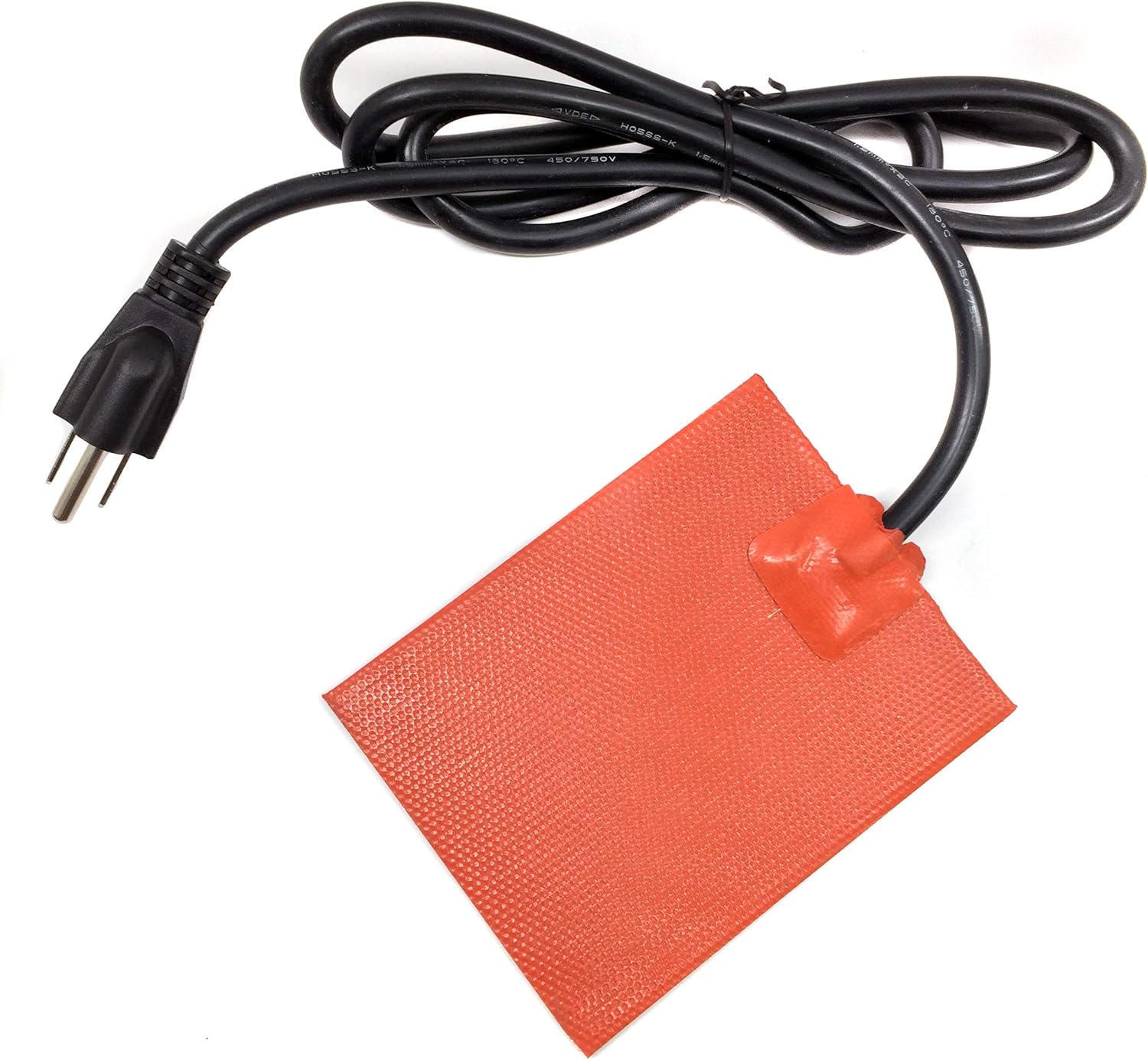
Cold winter mornings and reluctant engine starts are a frustrating reality for millions of drivers. While traditional freeze-plug block heaters have long been the standard solution, they require professional installation and aren’t always practical for every vehicle. The Z-TOOL HEATER TEC Engine Block Heater offers an innovative alternative: a 3M adhesive pad that sticks directly to your oil pan, providing effective cold-weather engine warming without drilling, modifications, or professional installation. After comprehensive analysis of this unique heating solution, I’m providing an in-depth review to help you determine if this stick-on heater is the right choice for your vehicle.
Product Overview: A Different Approach to Engine Warming
The Z-TOOL HEATER TEC represents a fundamentally different philosophy in engine block heating. Rather than installing internally into the engine block or replacing freeze plugs, this heater uses industrial-grade 3M adhesive to bond directly to the exterior surface of your oil pan. This external mounting approach offers significant advantages in terms of installation simplicity, reversibility, and accessibility for vehicles where traditional block heaters aren’t practical.
The concept is straightforward: by heating the oil pan from the outside, you warm the engine oil directly. Since cold, thick oil is one of the primary obstacles to easy cold-weather starting, warming the oil improves its flow characteristics, ensures faster circulation to critical engine components, and dramatically reduces the strain of cold starts on your engine.
This approach is particularly appealing for DIY enthusiasts, renters who may move their vehicle to different locations, or owners of vehicles where internal block heater installation is complicated or expensive. The stick-on design means you can install it yourself in your driveway without specialized tools or mechanical expertise.
Understanding Oil Pan Heating: The Science Behind the Solution
To appreciate why heating the oil pan is effective, it’s important to understand the critical role oil temperature plays in cold-weather engine operation.
The Cold Oil Problem
Motor oil’s viscosity—its thickness and resistance to flow—changes dramatically with temperature. At normal operating temperatures around 200°F (93°C), oil flows freely, creating protective films between all moving metal surfaces. At freezing temperatures, that same oil can become 10-20 times thicker, resembling honey or even molasses in extreme cold.
When you attempt to start an engine with cold, thick oil, several problems occur simultaneously. The oil pump struggles to move the resistant fluid through narrow passages. Critical components like camshafts, valve trains, and piston rings receive delayed lubrication. Metal surfaces grind against each other with minimal protection during those crucial first seconds of operation. This cold-start wear accumulates over time, accounting for the majority of total engine wear throughout a vehicle’s lifetime.
How Oil Pan Heating Addresses the Issue
By warming the oil pan directly, this heater tackles the problem at its source. The heat conducts through the pan’s metal surface into the oil contained within. As the oil warms, its viscosity decreases, restoring the flow characteristics necessary for proper lubrication.
Even modest warming—raising oil temperature from 0°F to 40°F, for example—produces dramatic improvements in oil flow. The oil pump operates more normally, circulation begins more quickly, and protective oil films form on engine components from the moment of startup rather than after several damaging seconds of metal-on-metal contact.
Additionally, warming the oil pan indirectly warms the lower portion of the engine block through conduction and the circulation of warming oil. While not as comprehensive as internal block heaters that warm coolant, oil pan heaters still provide meaningful thermal conditioning to the engine’s lower end where the crankshaft, connecting rods, and pistons reside.
Key Features and Specifications
Understanding the Z-TOOL HEATER TEC’s specifications helps set appropriate expectations for its performance and applications.
Design Specifications and Target Applications
This heater is specifically designed for 2WD, 4×4, and AWD vehicles equipped with four-cylinder engines. This targeting is important—the heater’s size and power output are optimized for the oil capacity and pan dimensions typical of four-cylinder applications.
Four-cylinder engines typically have oil capacities of 4-5 quarts and oil pans with surface areas suitable for the heater pad’s dimensions. Larger engines with bigger oil pans and greater oil capacity might not receive adequate heating from a pad sized for four-cylinder applications. Users with V6 or V8 engines should verify compatibility or consider whether the heater provides sufficient coverage for their larger oil pan.
Electrical Requirements and Power Consumption
The heater operates on standard 120-volt household current, plugging directly into any regular electrical outlet. The 4.5-foot power cord provides reasonable length for most parking situations, though many users will want to add a quality outdoor-rated extension cord to reach from the vehicle to the nearest outlet.
While the manufacturer doesn’t specify exact wattage in the provided information, oil pan heaters in this category typically draw 150-300 watts. This moderate power consumption strikes a balance between effective heating and reasonable electricity costs. At an estimated 200 watts, running the heater for four hours would consume 0.8 kWh, costing approximately $0.13 at average electricity rates—quite economical for the engine protection provided.
Premium 3M Adhesive System
The use of 3M pressure-sensitive adhesive is a significant quality indicator. 3M is the industry leader in adhesive technology, and their automotive-grade adhesives are specifically engineered to withstand temperature extremes, vibration, and exposure to oil and chemicals.
This industrial-grade adhesive creates a permanent bond when properly applied, ensuring the heater remains securely attached despite engine vibration, thermal cycling, and exposure to road salt, moisture, and automotive fluids. The adhesive’s temperature tolerance allows it to maintain bonding integrity even as the heater operates and the oil pan warms and cools through repeated cycles.
Installation Process: Simplicity with Critical Details
The Z-TOOL HEATER TEC’s primary selling point is installation simplicity, but achieving optimal results requires careful attention to the installation procedure. Rushing through installation or skipping steps can result in poor adhesion, reduced effectiveness, or premature failure.
Pre-Installation Preparation: The Foundation of Success
Proper surface preparation is absolutely critical to successful installation. The oil pan surface must be meticulously clean and completely dry for the adhesive to bond effectively.
Step 1: Surface Selection and Paint Removal
First, identify a flat, uniform area on the oil pan where the entire heater pad will make complete contact. Avoid curved sections, ribbing, or irregularities. The heater must contact 100% of the application surface—any air gaps reduce heating efficiency and can cause premature failure.
If your oil pan is painted (common on newer vehicles), you must remove the paint from the application area. This is non-negotiable. Paint creates a barrier between the adhesive and the metal. When the heater operates, the heat causes paint to expand, contract, and eventually crack. This cracking allows the heater to separate from the surface, potentially causing complete failure.
Paint removal can be accomplished with sandpaper, a wire wheel, or chemical paint stripper. Regardless of method, ensure all paint is completely removed from the entire application area, creating a clean metal surface.
Step 2: Thorough Surface Cleaning
After paint removal, thoroughly clean the surface with a non-oil-based solvent. The instructions specifically recommend isopropyl alcohol or heptane. These solvents dissolve oils, residues, and contaminants without leaving residue themselves.
Clean the surface multiple times, using fresh solvent and clean cloths for each cleaning. You’ll know the surface is truly clean when the cloth comes away without any discoloration. Allow the surface to dry completely—any moisture prevents proper adhesion.
This preparation might seem excessive, but adhesive bonding depends entirely on surface cleanliness. Spending an extra 15 minutes on preparation ensures years of reliable performance.
The Installation Procedure: Following the Process
Once the surface is properly prepared, the installation process itself is straightforward but requires precision.
Step 3: Pre-Warming the Adhesive
Plug the heater in for approximately five seconds. This brief heating warms the adhesive layer, making it more pliable and improving its bonding characteristics. Don’t skip this step—warm adhesive conforms better to surface irregularities and creates stronger initial bonding.
Step 4: Application and Pressure
Remove the protective backing from the adhesive side of the heater, being careful not to touch the adhesive surface with your hands (skin oils reduce adhesion). Position the heater in your selected location, ensuring proper orientation and placement.
Once positioned, press the heater firmly against the oil pan surface. Use a roller—a small paint roller or wallpaper roller works excellently—to apply firm, even pressure across the entire heater surface. Roll in multiple directions to ensure complete contact and eliminate any potential air pockets or gaps.
This pressure application is crucial. The 3M adhesive bonds through pressure, not just contact. Insufficient pressure results in weak bonding that may fail over time.
Step 5: Heat Bonding Process
Plug the heater in again, this time for approximately 30 seconds. This heating activates the adhesive’s bonding chemistry and helps it flow into microscopic surface irregularities, improving bonding strength.
After 30 seconds, unplug the heater and immediately apply pressure again with your roller. The heat softens the adhesive; the pressure ensures maximum bonding as it cools and sets.
Step 6: Power Cord Management
Use the provided wire ties to secure the power cord. Route the cord away from any hot engine components—exhaust manifolds, catalytic converters, or other heat sources that could damage the cord insulation. Ensure the cord has strain relief so that any pull on the cord doesn’t transfer tension to the heater connection point.
Proper cord routing prevents damage and extends the life of your installation. Take time to plan a route that avoids pinch points, sharp edges, and heat sources.
Performance Analysis: Real-World Effectiveness
How well does the Z-TOOL HEATER TEC actually perform in cold-weather conditions? Understanding realistic expectations helps you use the heater effectively.
Heating Effectiveness and Time Requirements
Oil pan heaters require more time to warm the engine than internal coolant heaters because they’re heating externally and warming oil rather than circulating hot coolant. Expect to plug in the heater for 3-6 hours before starting for optimal results, depending on ambient temperature.
In moderately cold conditions (20-32°F or -7°C to 0°C), three to four hours of heating typically raises oil temperature by 40-60°F, bringing thick oil back to a viscosity where it flows reasonably well. In severe cold (0°F to -20°F or -18°C to -29°C), extending heating time to 5-6 hours provides better results.
The heater won’t bring your engine to full operating temperature—that’s not its purpose. Instead, it brings oil and the lower engine assembly to a temperature where cold-start damage is dramatically reduced and starting effort is significantly improved.
Starting Improvements You’ll Notice
Users consistently report several noticeable improvements when starting engines pre-warmed with oil pan heaters:
Faster Cranking: The engine turns over more quickly and with less labored effort. The starter motor doesn’t struggle against thick oil resistance, and the battery isn’t drained by extended cranking.
Immediate Oil Pressure: Warm oil begins circulating almost instantly rather than taking several seconds to flow through the system. This means critical engine components receive lubrication from the first moment of operation.
Smoother Initial Running: The engine runs more smoothly immediately after starting rather than running roughly while waiting for oil to warm and circulate.
Quicker Cabin Heat: While not as fast as a coolant-based block heater, the pre-warmed oil helps the engine reach operating temperature faster, which means the cabin heater produces warm air sooner.
Fuel Economy and Emissions Benefits
Pre-warming the oil improves fuel economy during the first few miles of cold-weather driving. A warm engine doesn’t require the extended rich-fuel mixture that cold engines need, reducing fuel consumption by 5-10% for short trips.
Additionally, better combustion from a warmer engine produces fewer emissions during the critical startup and warm-up period when emissions are typically highest.
Operational Best Practices: Maximizing Effectiveness and Efficiency
Getting the best results from your oil pan heater requires understanding how to use it effectively.
Timer Use for Optimal Efficiency
The manufacturer specifically recommends using a timer to control the heater, and this recommendation deserves emphasis. Leaving the heater plugged in continuously wastes electricity without providing proportional benefits. Oil reaches its optimal pre-start temperature after several hours of heating; additional heating time provides diminishing returns.
A simple mechanical outdoor timer costs $15-$25 and allows you to automatically activate the heater at a set time each day. If you start your vehicle at 7 AM, set the timer to activate the heater at 2 AM or 3 AM. The engine will be properly warmed when you’re ready to start, but you won’t waste electricity running the heater all night.
Digital timers offer more flexibility, allowing different schedules for weekdays and weekends. Smart plugs provide ultimate convenience, letting you control the heater remotely via smartphone if your schedule varies or if you want to monitor energy consumption.
Combining with Other Cold-Weather Preparations
An oil pan heater works best as part of a comprehensive cold-weather strategy. Don’t neglect other critical preparations:
Winter-Grade Oil: Use the manufacturer-recommended viscosity for your climate. 5W-30 or 0W-30 oil flows much better in cold weather than 10W-30 or heavier grades.
Battery Maintenance: Cold weather reduces battery capacity significantly. Ensure your battery is in good condition and fully charged. Consider a battery tender if the vehicle sits for extended periods.
Quality Coolant: Maintain proper antifreeze concentration (typically 50/50 mix) to prevent freezing and ensure adequate freeze protection.
The oil pan heater enhances these preparations but doesn’t replace them.
Monitoring and Maintenance
Once installed, the heater requires minimal maintenance, but periodic inspection is worthwhile:
Monthly Visual Inspection: Check that the heater remains securely bonded to the oil pan with no signs of separation or lifting at the edges.
Cord Inspection: Examine the power cord for damage, particularly where it routes around engine components or through tight spaces.
Connection Check: Ensure the electrical connection remains clean and secure, with no corrosion or damage.
Effectiveness Monitoring: Pay attention to starting performance. If you notice starting becoming more difficult, investigate whether the heater is functioning properly.
Safety Considerations: Critical Warnings
The manufacturer includes specific safety warnings that users must take seriously.
Personal Injury Risk: Never Touch an Energized Heater
The most prominent warning emphasizes avoiding contact with the heater while it’s plugged in. Heating elements reach temperatures sufficient to cause immediate burns. The metal oil pan conducts heat, becoming hot enough to cause painful burns within seconds of contact.
This warning is particularly important during installation troubleshooting or if you need to work on your vehicle while the heater is operating. Always unplug the heater before working in the area.
Fire Prevention and Cord Routing
Proper power cord routing isn’t just about longevity—it’s a critical safety issue. The cord must remain isolated from hot engine components. Exhaust manifolds, catalytic converters, and other heat sources can melt cord insulation, creating short-circuit and fire hazards.
Similarly, ensure the cord doesn’t contact moving parts like belts or cooling fans. Mechanical damage can expose conductors, creating shock and fire risks.
Electrical Safety Standards
Always use properly grounded outlets and appropriate extension cords if needed. Extension cords should be rated for outdoor use, cold temperatures, and adequate amperage (typically 16-gauge or heavier).
Avoid using damaged cords, loose outlets, or improvised electrical connections. These create shock and fire hazards that aren’t worth the risk.
Comparing to Alternative Heating Solutions
Understanding how oil pan heaters compare to other engine warming options helps you make an informed decision.
Oil Pan Heater vs. Internal Block Heaters
Traditional freeze-plug block heaters install internally, warming engine coolant that then circulates through the engine. These provide more comprehensive engine warming and are generally more effective in extreme cold.
However, block heaters require professional installation, can’t be easily removed, and aren’t practical for all vehicles. Oil pan heaters offer easier installation, complete reversibility, and adequate performance for many applications, particularly in moderate cold climates.
Oil Pan Heater vs. Magnetic Block Heaters
Magnetic heaters attach to the engine block’s exterior using strong magnets. They’re even easier to install than adhesive oil pan heaters—no surface preparation required, completely removable.
However, magnetic heaters only work on ferrous (magnetic) metal engine blocks. Modern aluminum blocks won’t hold magnetic heaters. Adhesive oil pan heaters work on any oil pan material and don’t risk falling off if the magnet loses strength.
Oil Pan Heater vs. Battery Blankets
Battery blankets keep the battery warm, improving cold-cranking performance. They’re valuable but address only one aspect of cold starting. Oil pan heaters provide broader engine protection by warming the oil itself.
Many users combine battery blankets and oil pan heaters for comprehensive cold-weather protection, ensuring both adequate electrical power and proper engine lubrication.
Advantages and Benefits of the Stick-On Approach
The Z-TOOL HEATER TEC offers several compelling advantages over alternative solutions.
DIY Installation Accessibility
The most obvious benefit is installation simplicity. No professional installation required means no installation labor costs. Mechanically-inclined owners can install this heater in 30-45 minutes with basic supplies available at any hardware store.
This DIY accessibility makes engine warming protection available to renters, apartment dwellers, and budget-conscious drivers who can’t justify professional block heater installation costs.
Reversibility and Portability
Because the heater bonds externally rather than requiring permanent modifications, it can be removed if necessary. While 3M adhesive creates a strong permanent bond, it can be carefully removed with heat and appropriate solvents if you sell the vehicle or need to access the oil pan for service.
This reversibility provides flexibility that permanent installations don’t offer.
Cost-Effectiveness
At typical retail prices of $25-$50, oil pan heaters represent the most economical engine warming solution. Combined with minimal installation cost (DIY) and low operating expenses, they provide excellent value for moderate-climate cold-weather protection.
Compatibility with Aluminum Blocks
Unlike magnetic heaters that only work on steel blocks, adhesive oil pan heaters work on any oil pan material. This makes them suitable for modern engines with aluminum blocks where magnetic attachment isn’t possible.
Potential Limitations and Drawbacks
Honest assessment requires acknowledging situations where this heater might not be optimal.
Less Comprehensive Warming Than Internal Heaters
Oil pan heaters warm the oil and lower engine assembly but don’t circulate heated coolant throughout the entire engine. In extreme cold (below -20°F or -29°C), internal block heaters provide superior performance.
Surface Preparation Requirements
While installation is simple, it requires meticulous surface preparation. Rushed or inadequate preparation results in poor adhesion and potential failure. Users must commit to proper preparation for successful installation.
Limited to Four-Cylinder Applications
The heater’s design specifically targets four-cylinder engines. Owners of larger engines may find the heater provides insufficient coverage or heating capacity for their larger oil pans and oil capacity.
Permanent Adhesive Bond
While I listed reversibility as an advantage, the strong adhesive bond can also be viewed as a limitation. Removing the heater requires effort and may leave adhesive residue. This isn’t as removable as simply unplugging a magnetic heater.
Customer Support and Reliability
Z-TOOL HEATER TEC’s commitment to their product is reflected in the detailed installation instructions and safety warnings provided. The emphasis on proper installation procedure demonstrates understanding that product performance depends heavily on correct application.
The use of premium 3M adhesive rather than generic adhesive systems indicates attention to quality components that will provide reliable long-term performance.
Final Verdict: A Practical Solution for the Right Applications
The Z-TOOL HEATER TEC Engine Block Heater represents an excellent solution for specific applications and user profiles. It’s not the ultimate engine warming solution for all situations, but for its target market, it delivers genuine value and effective performance.
Ideal Candidates for This Heater
This oil pan heater is perfect for:
Four-Cylinder Vehicle Owners in Moderate Climates: If you live where temperatures regularly drop to 0-32°F (-18°C to 0°C) and own a four-cylinder vehicle, this heater provides excellent cold-start protection at minimal cost.
DIY Enthusiasts: Mechanically-inclined owners who want to avoid professional installation costs will appreciate the straightforward installation process.
Budget-Conscious Drivers: Those seeking engine protection without the expense of professional block heater installation find excellent value here.
Renters and Apartment Dwellers: People without access to professional installation services benefit from the DIY approach.
Aluminum Block Engines: Owners of modern engines with aluminum blocks where magnetic heaters won’t work.
When to Consider Alternatives
You might want different solutions if:
You Own Larger Engines: V6 or V8 engines may need larger heaters or multiple pads for adequate coverage.
You Face Extreme Cold: Regions regularly experiencing temperatures below -20°F (-29°C) benefit from more powerful internal block heaters.
You Want Zero-Effort Installation: Magnetic heaters (on compatible steel blocks) offer even easier installation with no surface preparation.
Professional Installation Is Accessible: If professional block heater installation is readily available and affordable, internal coolant heaters provide superior performance.
The Value Proposition
At $25-$50 retail with zero installation cost, this heater offers exceptional value for appropriate applications. The minimal electricity cost (approximately $0.10-$0.25 per use) is negligible compared to the engine protection benefits.
The reduction in cold-start engine wear extends engine life, potentially adding years of reliable service. Even modest reduction in engine wear can prevent or delay expensive repairs, providing financial returns far exceeding the heater’s cost.
The convenience of reliable cold-weather starting, faster cabin heat, and improved fuel economy enhances your daily winter driving experience in ways that justify the investment beyond pure financial calculation.
Conclusion: Smart Cold-Weather Protection
The Z-TOOL HEATER TEC Engine Block Heater succeeds at its mission: providing accessible, effective cold-weather engine protection for four-cylinder vehicles. The stick-on oil pan design delivers genuine performance benefits without requiring professional installation or permanent vehicle modifications.
Success with this heater depends on proper installation—taking the time to prepare the surface correctly and following the installation procedure carefully. Users who invest the necessary care during installation will be rewarded with years of reliable performance and meaningful engine protection.
For the right applications and users, this heater represents one of the best value propositions in cold-weather vehicle preparation. It’s not a premium solution competing with high-end internal heaters, but rather a practical, effective, and economical approach to protecting your engine and ensuring reliable starts throughout the winter months. In that role, it excels, making it a smart choice for cold-climate drivers seeking affordable engine protection.